

Creative & Sensory Activities
- Texture Collage Art: Use fabric scraps, foil, paper, felt, etc. to create tactile collages. Great for fine motor skills and self-expression.
- Calm Down Jars: Build sensory bottles together using glitter, beads, and water. Then, use them as a focus tool.
- Mystery Sensory Box: Let students reach into a covered box to guess the object by touch. Great for sensory integration and communication skills.
- Color-by-Number or Dot Marker Pages: Low-prep visual motor tasks that promote focus and color recognition.
Communication & Social Skill Builders
- “Feelings Charades”: Act out different emotions (happy, tired, surprised) and have students guess the feeling.
- Compliment Circle: Students take turns giving positive affirmations to each other. Build social-emotional skills in a structured way.
- “Would You Rather” Game: Use visuals or gestures to allow all learners to participate. Promotes choice-making and interaction.
- Social Story Time: Read a story that models a behavior (e.g. taking turns), then have a brief discussion or roleplay.
Movement & Music-Based Activities
- Freeze Dance: Play short bursts of music and have students freeze when it stops. Helps with motor planning and listening.
- Parachute Games: Great for groups—use a parachute or large fabric to play bounce-and-catch, color calls, etc.
- Chair Yoga or Stretch Breaks: Follow along with visuals or videos to reduce stress and increase body awareness.
- Musical Storytelling: Use instruments or clapping to make sounds while reading a book aloud. Great for auditory learners.
Academic Reinforcement (Fun + Educational)
- Bingo with Visuals: Customize for math facts, sight words, emotions, or letters. Use large visuals or tactile cards.
- Interactive Whiteboard Games: Use platforms like Starfall, ABCmouse, or Boom Cards with smartboards or tablets.
- Scavenger Hunt in the Room: Adapt for color, shape, or letter recognition. Use visual checklists.
- “Build a Sentence” with Picture Cards: Students use cards to form simple sentences and read them aloud.
Low-Prep Quiet Activities (Perfect for Substitutes)
- “All About Me” Worksheets: Let students draw, write, or paste answers about their favorites, routines, and goals.
- Puzzle Centers: Set up stations with matching games, shape sorters, or simple puzzles.
- Mindful Coloring & Music Time: Dim lights, play soft music, and offer themed coloring pages for relaxation.
- Task Box Challenges: Pre-made task boxes with sorting, counting, or sequencing activities (common in SPED classrooms).
Stepping into a Special Education Classroom
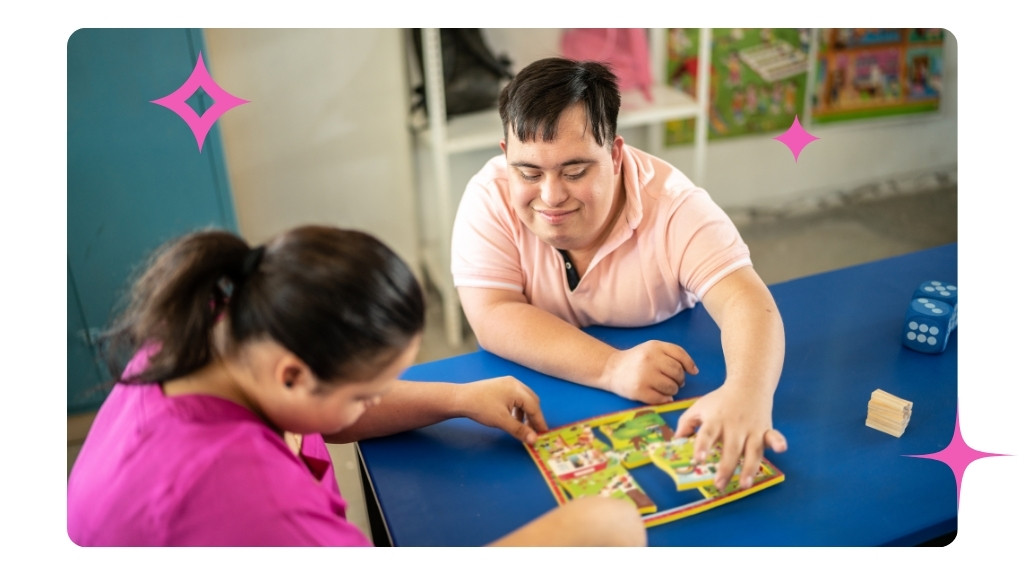
The best activities are the ones that meet students where they are, spark curiosity, and build connection. Whether you’re leading a sensory art project, a social story circle, or a quick stretch break between lessons, remember: your presence brings stability and joy to students who thrive on both.
So keep this list handy, trust your instincts, and know that every calm-down jar, charades round, or coloring break helps create the continuity students deserve. You’re not just filling in—you’re showing up for the moments that matter most.
👉 Ready to bring your creativity and compassion into more classrooms? Join the Spindle network to find flexible substitute opportunities that match your skills and schedule—so you can keep making an impact, one day at a time.
